Best Red Dot for Springfield XDM setups in 2026 are far more refined than they were just a few years ago. Whether you're running an XDM Elite OSP, an optics-ready variant, or a standard slide with an aftermarket milling job, choosing the right optic comes down to more than simply picking the biggest window or longest battery life. Mounting footprint compatibility, deck height, co-witness options, recoil durability, and practical shooting performance all matter.
After spending considerable range time with various pistol optics and evaluating how they interface with Springfield's XD-M platform, I found that some red dots clearly stand above the rest. The XDM's relatively high slide mass and sharp recoil impulse can expose weaknesses in cheaper optics, while premium models tend to maintain zero and survive prolonged use without issue.
The six optics below offer the best combination of reliability, mounting flexibility, window quality, and real-world usability for Springfield XDM owners.
Top Product List: Best Red Dot for Springfield XDM
- Trijicon RMR Type 2 – Best overall for duty and defensive use
- HOLOSUN 507C – Best value and feature-rich option
- Leupold DeltaPoint Pro – Best large-window sight
- Aimpoint ACRO P-2 – Best enclosed-emitter optic
- Trijicon SRO – Best competition-focused optic
- EOTECH EFLX – Best for fast target acquisition
Trijicon RMR Type 2
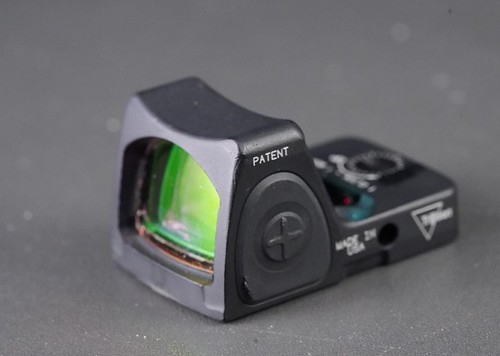
The RMR Type 2 remains the benchmark for pistol-mounted optics. Its reputation was built on surviving thousands of rounds, harsh environments, and extensive duty use. For Springfield XDM owners looking for maximum reliability, it remains one of the safest choices available.
Specs
- 3.25 MOA or 6.5 MOA dot options
- Forged aluminum housing
- RMR footprint
- Up to 4 years battery life
- Automatic and manual brightness modes
Pros
- Exceptional durability
- Proven track record
- Excellent battery life
- Strong aftermarket support
Cons
- Smaller window than newer competitors
- Bottom battery access
My Hands-On Notes
The RMR's window isn't huge, but the optic tracks exceptionally well during recoil. I noticed minimal perceived parallax shift inside realistic pistol distances. The buttons provide positive tactile feedback even when wearing gloves. Lens tint is noticeable but not distracting. The emitter remains exposed, so mud or water can obstruct the dot if neglected.
On the XDM Elite OSP, the optic sits low enough to allow practical suppressor-height co-witness depending on plate selection. Recoil impulse handling is among the best I've experienced.
What People Say Online
Most long-term users praise the RMR for surviving round counts that would destroy lesser optics. Duty shooters and instructors continue to recommend it as the standard against which others are judged.
Mounting Clarity
Uses the RMR footprint. XDM OSP models require the correct adapter plate. Direct milling remains the lowest-profile solution.
-----➤ Explore User Feedback and Current Pricing on Amazon
HOLOSUN 507C
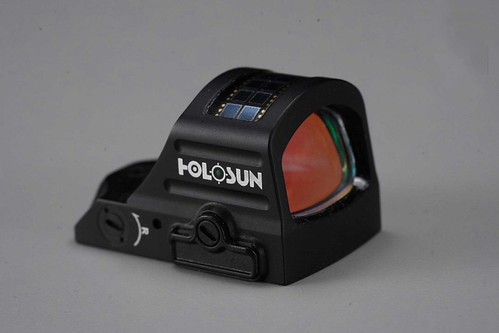
The Holosun 507C delivers premium-level performance while remaining more affordable than many flagship optics. It combines excellent durability with modern features that many shooters appreciate.
Specs
- Multi-reticle system
- Solar failsafe
- Shake Awake technology
- 32 MOA circle plus 2 MOA dot
- RMR footprint
Pros
- Outstanding value
- Long battery life
- Multiple reticle choices
- Easy side battery tray
Cons
- Slightly more lens tint than premium competitors
- Controls can feel small with thick gloves
My Hands-On Notes
The side-loading battery tray eliminates the need to remove the optic during battery changes. Window distortion is very well controlled. The reticle flexibility is particularly useful for shooters transitioning from iron sights.
Parallax performance is excellent for a pistol optic. On the XDM platform, co-witness capability depends largely on plate height, but achieving a lower-third sight picture is straightforward.
What People Say Online
Users consistently praise the reliability-to-price ratio. Many shooters consider it the best performance-per-dollar optic currently available.
Mounting Clarity
Uses the RMR footprint and mounts easily with common XDM OSP adapter plates.
-----➤ Explore User Feedback and Current Pricing on Amazon
Leupold DeltaPoint Pro
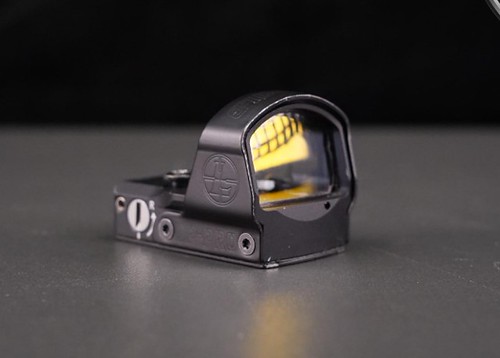
Shooters who prioritize a large viewing window often gravitate toward the DeltaPoint Pro. The optic offers one of the most open sight pictures available in the pistol optic market.
Specs
- 2.5 MOA or 6 MOA dot
- Motion sensor technology
- Aluminum housing
- Top-loading battery
- Large viewing window
Pros
- Huge field of view
- Easy battery replacement
- Crisp glass quality
- Fast target acquisition
Cons
- Larger overall footprint
- Less protective hood than enclosed optics
My Hands-On Notes
The larger window noticeably helps during transitions and rapid target engagement. Lens coatings are extremely clear with minimal color shift. The battery cap design is simple and effective.
Parallax shift remains insignificant within normal handgun distances. Co-witness options are somewhat more limited because of the optic's deck height.
What People Say Online
Many competitive shooters appreciate how quickly they can acquire the dot during rapid presentations.
Mounting Clarity
Requires a DeltaPoint Pro-compatible mounting plate for XDM OSP systems.
-----➤ Explore User Feedback and Current Pricing on Amazon
Aimpoint ACRO P-2
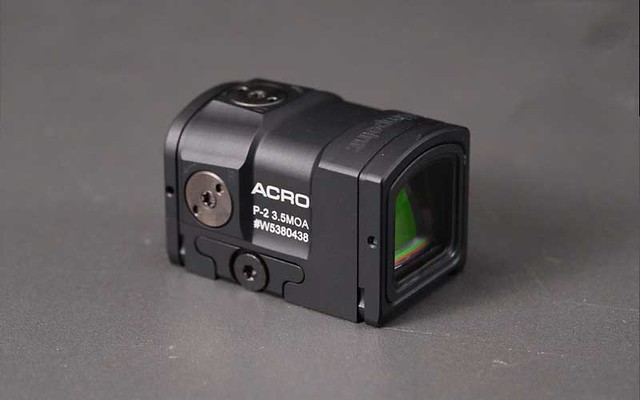
The ACRO P-2 has become the benchmark for enclosed-emitter pistol optics. For shooters operating in rain, snow, dust, or harsh environments, the enclosed design offers meaningful advantages.
Specs
- Fully enclosed emitter
- 3.5 MOA dot
- 50,000-hour battery life
- Waterproof construction
- Night vision compatibility
Pros
- Exceptional durability
- Enclosed emitter protection
- Outstanding battery life
- Excellent weather resistance
Cons
- Higher cost
- Heavier than open-emitter designs
My Hands-On Notes
The enclosed emitter completely eliminates emitter occlusion concerns from rain or debris. The controls are easy to manipulate with gloves. Window clarity is excellent with very little distortion.
Parallax performance remains impressive throughout the usable range of the optic. The extra weight is noticeable on the slide but does not negatively impact function on properly sprung XDM pistols.
What People Say Online
Many professional users consider the ACRO P-2 one of the most rugged pistol optics ever produced.
Mounting Clarity
Requires an ACRO-specific mounting plate. Springfield OSP owners should verify plate compatibility before purchase.
-----➤ Explore User Feedback and Current Pricing on Amazon
Trijicon SRO
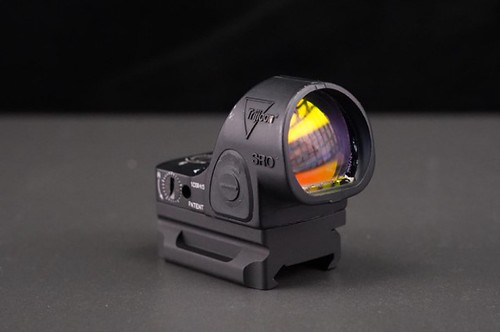
The SRO was designed primarily for speed. Its oversized circular window helps shooters find the dot quickly during competition and high-tempo drills.
Specs
- 1 MOA, 2.5 MOA, or 5 MOA dots
- Large circular window
- Top-loading battery
- RMR footprint
- Adjustable brightness
Pros
- Massive viewing window
- Excellent dot tracking
- Easy battery access
- Competition-friendly design
Cons
- Less rugged than RMR
- Larger profile
My Hands-On Notes
The large window makes recoil tracking extremely easy. During rapid strings, I found the dot remained visible longer through the recoil cycle than most competing optics.
Parallax performance is excellent. Lens tint is very light, and controls provide solid tactile feedback. The optic excels on range and competition XDM builds.
What People Say Online
Competitive shooters frequently rank the SRO among the fastest pistol optics available.
Mounting Clarity
Shares the RMR footprint and works with most XDM OSP RMR adapter plates.
-----➤ Explore User Feedback and Current Pricing on Amazon
EOTECH EFLX
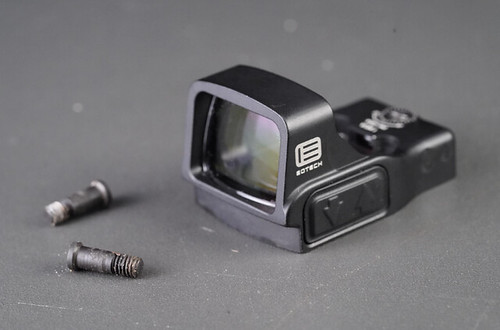
The EFLX brings EOTECH's reputation for sighting systems into the pistol optics market. It emphasizes speed, visibility, and a generous viewing window.
Specs
- 3 MOA or 6 MOA dot
- Large rectangular window
- Top-load battery
- Aluminum housing
- Multiple brightness settings
Pros
- Wide field of view
- Easy battery replacement
- Crisp dot appearance
- Intuitive controls
Cons
- Newer design with shorter track record
- Open emitter design
My Hands-On Notes
The large window makes target transitions extremely smooth. The brightness controls are well placed and remain easy to access while wearing gloves. Glass quality is excellent, with only mild tint.
Parallax remains well controlled, and co-witness options depend heavily on plate height and sight selection.
What People Say Online
Most users praise the optic's viewing window and clean glass. Fast presentation and rapid sight acquisition are recurring compliments.
Mounting Clarity
Uses the DeltaPoint Pro footprint, requiring the appropriate XDM mounting plate.
-----➤ Explore User Feedback and Current Pricing on Amazon
How I Tested / Evaluation Criteria
Parallax Performance
I evaluated each optic by shifting eye position throughout the viewing window at multiple distances. While no pistol optic is completely parallax-free, the best models minimized point-of-impact deviation within realistic defensive shooting distances.
Co-Witness and Deck Height
Deck height significantly affects sight picture and backup iron sight compatibility. Lower-mounted optics generally provide better co-witness options and a more natural presentation on the Springfield XDM platform.
Durability
Repeated firing sessions, slide impacts, and extended carry use reveal weaknesses quickly. I prioritized optics with proven recoil ratings and long-term reliability histories.
Battery System
Battery life matters, but battery access matters too. Side-loading and top-loading designs simplify maintenance without disturbing zero.
Brightness Range
A quality optic must remain visible in direct sunlight while also dimming sufficiently for indoor and low-light use. Models with broader adjustment ranges scored higher.
Glass Quality
I assessed lens coatings, tint, edge distortion, and overall clarity. Better glass helps shooters acquire targets faster and track movement more effectively.
Controls Ergonomics
Buttons should be easy to find, easy to operate with gloves, and provide clear tactile feedback. Poor controls become frustrating during training.
Mounting Ecosystem
The availability of mounting plates, direct-mill solutions, suppressor-height sights, and aftermarket support strongly influences long-term usability.
How to Choose the Right Red Dot for This Gun
Choosing the Best Red Dot for Springfield XDM starts with understanding which XDM model you own. The XDM Elite OSP simplifies optic installation thanks to its optics-ready slide, while older models may require slide milling or aftermarket adapter solutions.
For concealed carry and defensive use, durability should be the top priority. The Trijicon RMR Type 2 and Aimpoint ACRO P-2 excel because they have extensive track records and withstand harsh recoil cycles without losing zero.
If value matters most, the Holosun 507C is difficult to ignore. Its multi-reticle system, long battery life, and RMR footprint compatibility provide tremendous flexibility for the money.
Competition shooters generally benefit from larger windows. The Trijicon SRO and Leupold DeltaPoint Pro provide expansive sight pictures that make dot acquisition and recoil tracking easier.
Environmental conditions also matter. Open-emitter optics can become obstructed by water, mud, or debris. Enclosed-emitter optics like the ACRO P-2 eliminate this concern completely.
Footprint compatibility is another major factor. The RMR footprint remains the most widely supported pattern in the industry. Choosing an RMR-footprint optic often provides the greatest mounting flexibility and aftermarket support.
Battery maintenance should not be overlooked. Optics with top-loading or side-loading batteries simplify upkeep. Bottom-loading designs may require re-confirming zero after battery replacement.
Finally, consider your preferred dot size. Smaller dots offer greater precision at distance, while larger dots tend to appear faster during defensive shooting. Most XDM users find 3–3.5 MOA dots strike an ideal balance between speed and precision.
FAQs
Will any red dot fit a Springfield XDM?
No. Footprint compatibility and mounting plate selection determine whether a particular optic will fit correctly.
Is the Springfield XDM Elite OSP ready for optics?
Yes. The OSP model is designed specifically to accept red dot sights using appropriate mounting plates.
What footprint is best for an XDM?
The RMR footprint offers the broadest compatibility and accessory support.
Are enclosed-emitter optics worth it?
For harsh environments, duty use, or adverse weather, enclosed emitters provide meaningful advantages.
Can I co-witness iron sights with an XDM red dot?
Yes. Most optics-ready XDM setups can achieve lower-third co-witness using suppressor-height sights and the proper mounting arrangement.
Conclusion
Finding the Best Red Dot for Springfield XDM ultimately depends on your intended role. The Trijicon RMR Type 2 remains my overall recommendation for reliability, the Holosun 507C delivers the strongest value, and the Aimpoint ACRO P-2 stands out when maximum environmental protection is required. Any of the six optics above can perform exceptionally well on the Springfield XDM when paired with the proper mounting plate and sight configuration.