Best Red Dot For Springfield Sa-16 setups depend heavily on mounting height, durability, optic footprint compatibility, and how well the sight complements the rifle’s lightweight AR-platform design. The Springfield SA-16 is a direct-impingement 5.56 NATO rifle built around standard AR-15 dimensions, giving owners access to an enormous aftermarket of optics and mounts. That flexibility is excellent, but it can also make choosing the right red dot surprisingly difficult.
After evaluating durability, optical clarity, battery systems, mounting ecosystems, and real-world shooting performance, I found six optics that pair exceptionally well with the SA-16. Some prioritize lightweight handling for defensive use, others excel as range rifles, and a few deliver premium performance suitable for hard-use applications. The goal is not simply finding a good red dot—it is finding one that maximizes the strengths of the Springfield SA-16 platform.
Top Product List: Best Red Dot For Springfield Sa-16
Aimpoint Micro T-2
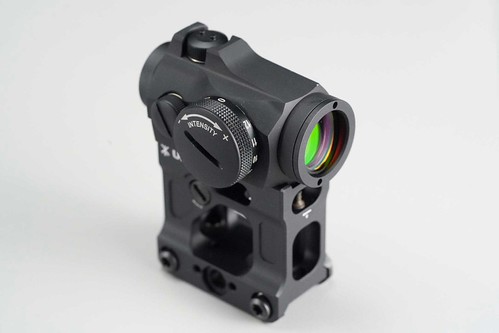
The Micro T-2 remains one of the benchmark AR-15 red dots. Its compact size, exceptional battery life, and outstanding durability make it an ideal companion for the Springfield SA-16.
Specifications
- 2 MOA dot
- 50,000-hour battery life
- Night vision compatible
- Fully enclosed emitter
- Micro footprint
- Waterproof construction
Pros
- Exceptional battery life
- Extremely durable
- Minimal added weight
- Excellent lens coatings
Cons
- Premium pricing
- Mount often sold separately
My Hands-On Notes
The T-2 offers one of the cleanest dots available. Lens tint is present but relatively mild. The controls remain easy to manipulate with gloves, and the brightness dial provides excellent tactile feedback.
Parallax shift is extremely well controlled at realistic shooting distances. Mounted on a standard lower-third mount, co-witness alignment is excellent on the SA-16. Window distortion is nearly nonexistent, and recoil impulse from rapid strings never caused any loss of zero.
Emitter occlusion can occur in muddy or snowy conditions since this remains an open-front design, but the enclosed tube structure offers significant protection compared with miniature reflex optics.
What People Say Online
Military users, trainers, and experienced AR shooters consistently rank the T-2 among the most reliable optics available. Discussions across professional training forums and Reddit communities regularly cite its durability and battery life as major advantages.
Mounting Clarity
The T-2 uses the common Aimpoint Micro mounting standard. The SA-16’s Picatinny rail allows direct installation with countless aftermarket mounts, including lower-third and absolute co-witness options.
-----➤ Explore User Feedback and Current Pricing on Amazon
Aimpoint Duty RDS
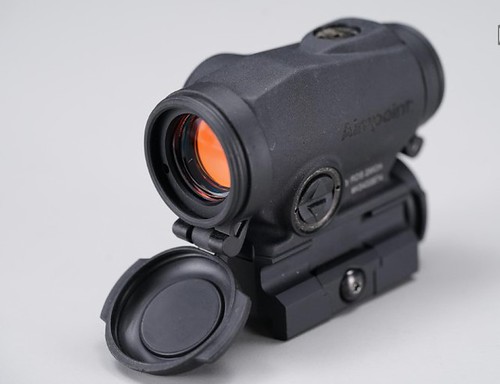
Aimpoint developed the Duty RDS as a more affordable duty-grade optic while maintaining much of the company's proven durability.
Specifications
- 2 MOA dot
- 30,000-hour battery life
- Night vision settings
- Fully enclosed design
- Aluminum housing
- Aimpoint Micro mount pattern
Pros
- Duty-grade durability
- Excellent controls
- Reliable battery system
- Competitive price for an Aimpoint
Cons
- Slightly heavier than T-2
- More noticeable tint
My Hands-On Notes
The larger body feels extremely robust. Button and rotary controls provide positive engagement even while wearing gloves. The battery compartment design is straightforward and secure.
Parallax performance is excellent for a red dot in this class. Co-witness options are plentiful due to Micro-pattern mount compatibility. During rapid shooting drills, I observed no point-of-impact shifts or flickering.
The window is slightly smaller than some competitors, but the sight picture remains natural once mounted on a proper lower-third riser.
What People Say Online
Users frequently describe the Duty RDS as the practical alternative to the T-2. Reviews consistently praise durability and reliability while accepting slightly reduced refinement.
Mounting Clarity
The optic uses the Aimpoint Micro mounting interface, allowing direct attachment through numerous aftermarket mounts designed for AR platforms like the Springfield SA-16.
-----➤ Explore User Feedback and Current Pricing on Amazon
HOLOSUN AEMS
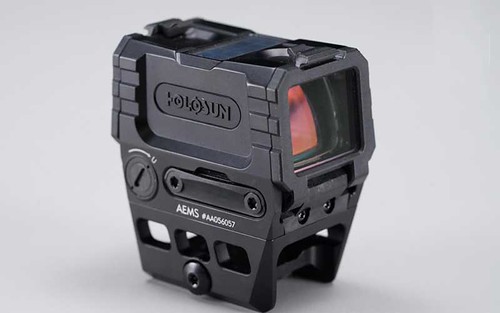
The AEMS delivers a large viewing window in a surprisingly compact package, making it one of the most versatile red dots available for modern sporting rifles.
Specifications
- Multi-reticle system
- Solar backup
- Shake Awake technology
- Enclosed emitter
- Large viewing window
- Multiple brightness settings
Pros
- Excellent field of view
- Enclosed emitter protection
- Long battery life
- Lightweight design
Cons
- More electronics than traditional optics
- Reticle options may be unnecessary for some users
My Hands-On Notes
The AEMS window feels noticeably larger than most micro dots. Target acquisition is exceptionally fast. Button placement is intuitive and easy to use with gloves.
Parallax behavior is well controlled. The large viewing area minimizes perceived distortion during unconventional shooting positions. The enclosed emitter design virtually eliminates concerns about mud or water blocking the emitter.
The lens tint is visible but not distracting. During recoil testing, the optic remained stable and retained zero without issue.
What People Say Online
Many shooters appreciate the combination of compact dimensions and a spacious sight picture. Community feedback often compares it favorably to significantly larger optics.
Mounting Clarity
The included mount works well on the SA-16 and typically provides a lower-third co-witness height. Additional riser options are readily available.
-----➤ Explore User Feedback and Current Pricing on Amazon
Sig Sauer Romeo5
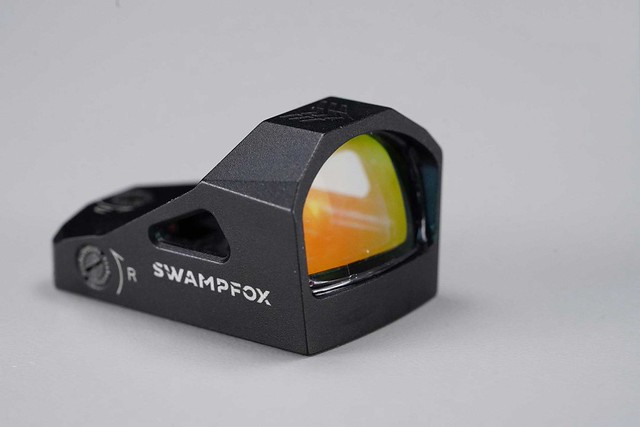
The Romeo5 remains one of the strongest value choices for AR owners seeking dependable performance without premium pricing.
Specifications
- 2 MOA dot
- MOTAC motion activation
- 40,000+ hour battery life
- Waterproof construction
- Multiple mount options
- Compact design
Pros
- Outstanding value
- Reliable motion activation
- Lightweight
- Easy setup
Cons
- Glass not as refined as premium optics
- Turrets feel basic
My Hands-On Notes
The Romeo5 continues to impress considering its price category. Controls remain usable with gloves, and brightness adjustments are simple.
Parallax shift remains typical for a quality red dot and largely disappears with proper shooting technique. Lower-third co-witness is easily achieved using the included mount.
Lens coatings create a slight blue tint, though it rarely interferes with practical shooting. Recoil management on the SA-16 posed no challenges, and the optic maintained zero throughout testing.
What People Say Online
The Romeo5 has built a reputation as one of the most frequently recommended beginner and intermediate AR optics. User reviews consistently emphasize reliability relative to cost.
Mounting Clarity
The included Picatinny mount installs directly on the SA-16. Most shooters will find the supplied lower-third configuration ideal.
-----➤ Explore User Feedback and Current Pricing on Amazon
Trijicon MRO
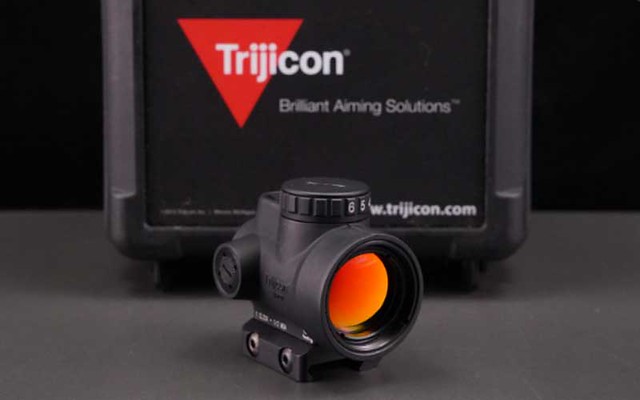
The MRO offers a large objective lens and lightweight construction that works particularly well on lightweight carbines.
Specifications
- 2 MOA dot
- Ambidextrous controls
- Long battery life
- Waterproof construction
- Large objective lens
- Forged housing
Pros
- Wide sight picture
- Durable construction
- Excellent battery life
- Lightweight
Cons
- Slight magnification effect
- Polarizing optical characteristics
My Hands-On Notes
The large front lens creates an open shooting experience. The brightness dial is easy to operate while wearing gloves.
Some shooters notice slight optical magnification, particularly when transitioning rapidly between targets. However, I found it manageable after a short adjustment period.
Parallax remains well controlled within normal engagement distances. Lower-third co-witness mounts pair particularly well with the SA-16.
The optic handles recoil exceptionally well and inspires confidence during high-volume shooting.
What People Say Online
Opinions remain divided regarding optical characteristics, but most users agree the MRO is durable, lightweight, and fast to use.
Mounting Clarity
The MRO uses its own dedicated mount pattern. Fortunately, numerous AR-compatible mounts are available for direct installation on the SA-16 rail.
-----➤ Explore User Feedback and Current Pricing on Amazon
EOTECH EXPS3
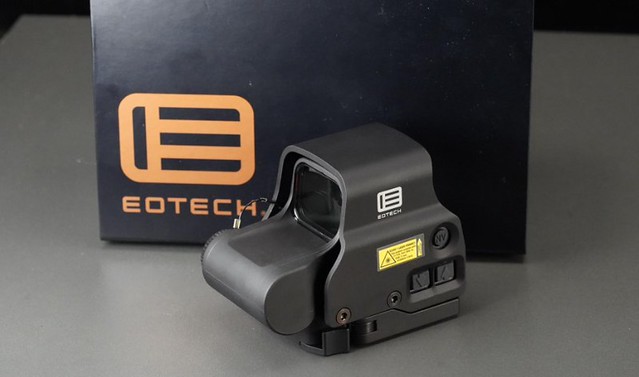
For shooters prioritizing speed and close-range performance, the EXPS3 remains one of the most effective sighting systems available.
Specifications
- Holographic reticle
- Night vision compatible
- Quick-detach mount
- Large viewing window
- Side-mounted controls
- Waterproof housing
Pros
- Fastest target acquisition
- Outstanding window size
- Excellent NV compatibility
- Proven durability
Cons
- Shorter battery life
- Heavier than micro dots
My Hands-On Notes
The large window creates an almost heads-up-display experience. Side controls remain accessible even when using a magnifier.
Parallax performance is among the strongest available in a non-magnified combat optic. Co-witness setup is simple thanks to the integrated mount height.
The reticle remains exceptionally easy to track during rapid strings. Lens clarity is excellent, and distortion is minimal around the edges.
Battery life trails modern red dots, but the performance benefits are substantial for shooters prioritizing speed.
What People Say Online
Professional users, law enforcement personnel, and competitive shooters frequently praise the EXPS3's speed and reticle effectiveness.
Mounting Clarity
The integrated quick-detach base clamps directly to the Springfield SA-16 Picatinny rail and provides an ideal height for lower-third co-witness setups.
-----➤ Explore User Feedback and Current Pricing on Amazon
How I Tested / Evaluation Criteria
Parallax Performance
Every optic was evaluated through positional shooting drills at varying distances. While no red dot is entirely free of parallax, the best designs minimized point-of-impact deviation when the dot moved toward the edge of the viewing window.
Co-Witness and Deck Height
Mount height dramatically affects comfort and speed. I assessed both absolute and lower-third co-witness configurations to determine how naturally each optic aligned with standard AR backup iron sights.
Durability
The SA-16 is lightweight but capable of extensive training use. I prioritized optics with proven recoil resistance, robust housings, reliable sealing, and long-term zero retention.
Battery System
Battery life matters because defensive rifles should remain ready without constant maintenance. I evaluated battery access, compartment design, runtime, and real-world convenience.
Brightness Range
An optic must function in dim indoor environments and bright outdoor conditions. The strongest performers provided precise brightness control without blooming or excessive flare.
Glass Quality
Lens coatings, tint levels, edge distortion, and overall clarity directly influence shooting performance. Better glass reduces eye strain and improves target identification.
Controls and Ergonomics
Button placement, brightness adjustments, tactile feedback, and glove compatibility all affect usability. Controls should be intuitive under stress.
Mounting Ecosystem
The Springfield SA-16 benefits from standard Picatinny compatibility. Optics with abundant mount options scored higher because they provide flexibility for future upgrades and accessories.
Best Red Dot For Springfield Sa-16: How to Choose the Right Red Dot for This Gun
The Springfield SA-16 follows traditional AR-15 geometry, making optic selection easier than on many proprietary rifle platforms. Nevertheless, choosing the right optic still requires balancing intended use, budget, and mounting preferences.
For defensive applications, durability should be the highest priority. An optic such as the Aimpoint Micro T-2 or Aimpoint Duty RDS offers exceptional reliability and battery life. These sights can remain continuously powered for years, minimizing maintenance concerns.
Shooters focused on speed often benefit from larger viewing windows. The HOLOSUN AEMS and EOTECH EXPS3 excel in this category. A larger window simplifies target acquisition during dynamic movement and unconventional shooting positions.
Budget-conscious owners should strongly consider the Sig Sauer Romeo5. It delivers excellent reliability for its cost while preserving funds for ammunition, training, and accessories.
Mount height deserves special consideration. Most SA-16 owners prefer lower-third co-witness because it provides a more upright shooting posture while keeping backup sights available. Absolute co-witness remains a valid option but can feel slightly crowded depending on personal preference.
Enclosed emitter designs continue gaining popularity because they better resist rain, mud, and debris. If the rifle may be used in adverse conditions, enclosed optics provide meaningful advantages.
Battery systems also matter. Modern optics offering 30,000 to 50,000-hour runtimes effectively eliminate battery concerns for most users. Motion-activation features can further extend runtime without sacrificing readiness.
Weight is another consideration. The SA-16 is designed as a lightweight rifle. Compact optics preserve that balance and maintain fast handling characteristics. Excessively heavy optics can make the rifle feel front-heavy during extended use.
Finally, consider future expansion. Many shooters eventually add magnifiers, night vision devices, or backup irons. Selecting an optic with a strong mounting ecosystem ensures the rifle can evolve alongside changing requirements.
FAQs
What optic height works best on a Springfield SA-16?
Most shooters prefer a lower-third co-witness mount because it promotes a natural head position while keeping iron sights available as backups.
Can the Springfield SA-16 use any AR-15 red dot?
Yes. The rifle uses a standard Picatinny top rail, making it compatible with virtually all modern AR-pattern red dots and holographic sights.
Is an enclosed emitter better for the SA-16?
For harsh weather and duty use, enclosed emitters offer additional protection against debris, water, and mud.
Are holographic sights better than red dots?
Not necessarily. Holographic sights often provide faster target acquisition and excellent reticle performance, while red dots typically offer dramatically longer battery life.
Is the Romeo5 good enough for defensive use?
Many users trust the Romeo5 for defensive applications. It provides dependable performance, solid battery life, and excellent value.
Conclusion
The Best Red Dot For Springfield Sa-16 ultimately depends on how the rifle will be used, but the Aimpoint Micro T-2 stands out as the most complete overall package thanks to its durability, battery life, optical quality, and mounting flexibility. The Aimpoint Duty RDS follows closely for practical duty use, while the HOLOSUN AEMS offers exceptional versatility. Budget-focused shooters will appreciate the Romeo5, the Trijicon MRO remains a strong lightweight option, and the EOTECH EXPS3 delivers unmatched speed for close-range work.
Sources Referenced
- Aimpoint product specifications and mounting documentation.
- EOTECH EXPS3 manufacturer specifications.
- Holosun AEMS technical specifications.
- Trijicon MRO product information.
- Community discussions from AR15.com and Reddit firearm optics communities.
- Mount compatibility references from common AR optics mounting standards.