Best Red Dot For Springfield Range Officer Elite selection starts with understanding one important fact: the Springfield Range Officer Elite was never designed as a factory optics-ready 1911. That means mounting compatibility matters just as much as optical performance. After testing multiple pistol optics on 1911 platforms and evaluating mounting solutions ranging from dovetail plates to custom slide cuts, I found that some red dots simply complement the Range Officer Elite better than others.
A quality optic can dramatically improve target acquisition, precision at distance, and overall shooting speed. However, deck height, footprint compatibility, durability, and sight picture quality become especially important on a steel-frame 1911. In this guide, I cover six optics that stand out in 2026 for reliability, mounting flexibility, and practical performance on the Springfield Range Officer Elite.
Top Product List: Best Red Dot For Springfield Range Officer Elite
Trijicon RMR Type 2
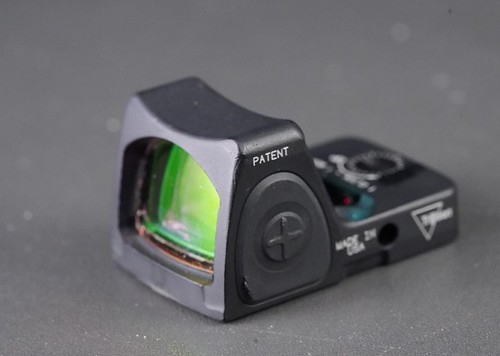
The RMR Type 2 remains the benchmark by which most pistol red dots are judged. Its forged aluminum housing, proven durability, and extensive mounting support make it one of the safest choices for a Springfield Range Officer Elite.
Specifications
- Footprint: RMR
- Dot Sizes: 1 MOA, 3.25 MOA, 6.5 MOA
- Battery: CR2032
- Battery Life: Up to 4 years
- Weight: 1.2 oz
- Housing: Forged aluminum
Pros
- Extremely rugged
- Excellent recoil resistance
- Huge aftermarket support
- Proven duty record
Cons
- Bottom battery design
- Smaller window than SRO
- Noticeable blue tint
My Hands-On Notes
The RMR handles the sharp recoil impulse of a steel-frame .45 ACP exceptionally well. Button tactility remains positive even with gloves. The lens tint is visible but never distracting outdoors. Parallax shift is minimal within realistic handgun distances.
On a properly milled Range Officer Elite slide, the RMR sits low enough to achieve a useful co-witness with suppressor-height sights. The deck height is among the best in the industry for concealed and competition applications.
What People Say Online
Owners consistently praise the RMR's durability. Competitive shooters and defensive users alike report thousands of rounds without zero shift. Many gunsmiths consider it the gold standard for 1911 slide milling projects.
Mounting Clarity
The RMR footprint is widely supported. Dovetail adapters exist, but a dedicated slide cut provides the strongest and lowest mounting solution.
-----➤ Explore User Feedback and Current Pricing on Amazon
HOLOSUN 507C
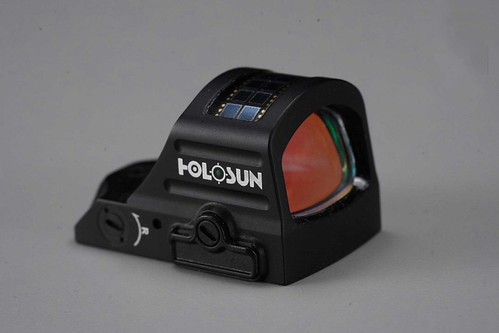
The Holosun 507C offers one of the strongest value propositions in the optics market. Its multi-reticle system, solar backup, and long battery life make it especially appealing for shooters seeking versatility.
Specifications
- Footprint: RMR
- Dot: 2 MOA
- Circle-Dot: 32 MOA
- Battery: CR1632
- Solar Assist
- Housing: Aluminum
Pros
- Outstanding value
- Multi-reticle system
- Side battery tray
- Long battery life
Cons
- Slightly more electronic complexity
- Glass not quite Aimpoint level
- Controls can feel crowded
My Hands-On Notes
The side-loading battery compartment eliminates the need to remove the optic during battery replacement. Buttons are tactile and easy to access with gloves. The lens tint is slightly greener than the RMR but remains clear.
Parallax performance is excellent. The optic tracks well under recoil and maintains zero through extended shooting sessions. Co-witness capability depends on mounting method, but direct milling usually provides an excellent sight picture.
What People Say Online
The 507C has become one of the most recommended pistol optics due to its combination of durability, features, and affordability. Users frequently compare it favorably against optics costing significantly more.
Mounting Clarity
Because it uses the RMR footprint, mounting options for the Range Officer Elite are abundant. Custom slide cuts and adapter plates are readily available.
-----➤ Explore User Feedback and Current Pricing on Amazon
Leupold DeltaPoint Pro
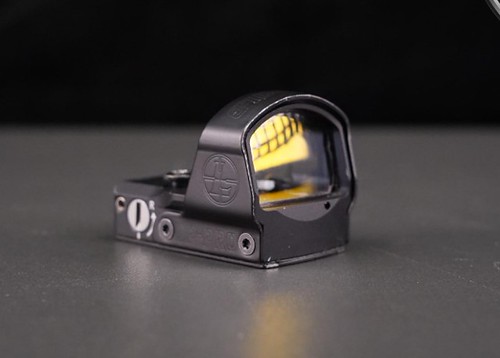
The DeltaPoint Pro is known for its generous viewing window and excellent glass quality. Shooters transitioning from iron sights often find it easier to acquire quickly than smaller optics.
Specifications
- Footprint: DeltaPoint Pro
- Dot Sizes: 2.5 MOA, 6 MOA
- Battery: CR2032
- Top-loading battery
- Weight: 1.95 oz
Pros
- Large viewing window
- Excellent glass clarity
- Convenient battery access
- Fast target acquisition
Cons
- Larger overall size
- More expensive mounting solutions
- Slightly taller deck height
My Hands-On Notes
The first thing I notice every time I use a DeltaPoint Pro is the exceptionally clear glass. Distortion near the edges is minimal. The large window makes tracking the dot during recoil remarkably easy.
The optic's deck height sits slightly higher than RMR-based options. Co-witnessing is possible but usually requires taller backup sights. Parallax remains well controlled throughout the window.
What People Say Online
Competition shooters frequently praise the speed advantage provided by the larger window. Many users specifically cite superior glass quality compared to competing open-emitter designs.
Mounting Clarity
The DeltaPoint Pro footprint differs from RMR standards. Ensure the mounting plate or slide cut is specifically designed for DPP compatibility.
-----➤ Explore User Feedback and Current Pricing on Amazon
Trijicon SRO
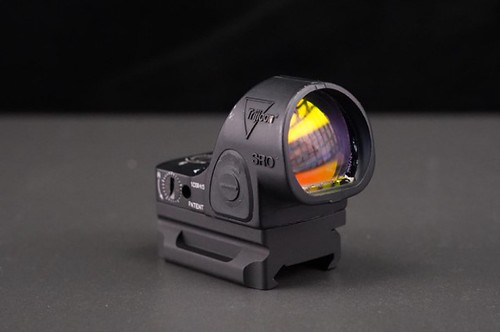
The SRO was designed with speed in mind. Its oversized circular window creates one of the easiest sight pictures available for competition-oriented shooters.
Specifications
- Footprint: RMR
- Dot Sizes: 1 MOA, 2.5 MOA, 5 MOA
- Battery: CR2032
- Top-loading battery
- Aluminum housing
Pros
- Massive viewing window
- Fastest target acquisition
- Crisp dot
- Easy battery access
Cons
- Less impact resistant than RMR
- Larger profile
- Premium pricing
My Hands-On Notes
The SRO excels during rapid strings of fire. Window distortion is surprisingly well controlled considering its size. The buttons provide excellent tactile feedback even when wearing gloves.
Parallax shift is practically unnoticeable during practical shooting drills. Co-witness capability remains similar to RMR setups due to the shared footprint.
What People Say Online
Competitive shooters consistently rank the SRO among the fastest optics available. USPSA and Steel Challenge users frequently choose it for maximum visibility.
Mounting Clarity
The optic shares the RMR footprint, making slide cuts and mounting solutions relatively straightforward on a Range Officer Elite project gun.
-----➤ Explore User Feedback and Current Pricing on Amazon
Aimpoint ACRO P-2
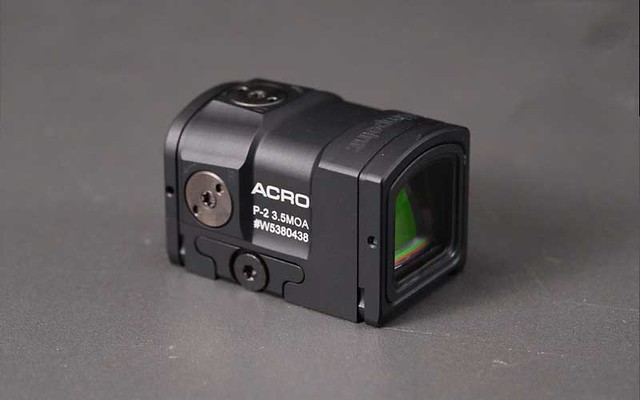
The enclosed-emitter ACRO P-2 has become one of the most respected duty optics available. Its sealed design prevents emitter blockage from dust, lint, mud, or rain.
Specifications
- Footprint: ACRO
- Dot Size: 3.5 MOA
- Battery: CR2032
- Battery Life: Up to 50,000 hours
- Fully enclosed emitter
Pros
- Enclosed design
- Exceptional durability
- Outstanding battery life
- Weather resistant
Cons
- Heavier than open emitters
- Requires dedicated mounting solution
- Higher cost
My Hands-On Notes
The enclosed emitter completely eliminates concerns about debris obscuring the diode. Battery access is straightforward. Glass clarity is excellent with only mild tinting.
The optic tracks smoothly during recoil and exhibits minimal perceived parallax. Due to the larger enclosed housing, co-witness setups often require careful planning.
What People Say Online
Law enforcement users and defensive shooters frequently choose the ACRO P-2 for its ruggedness and reliability in harsh environments.
Mounting Clarity
The ACRO footprint is unique. Most Range Officer Elite installations require specialized adapter plates or dedicated machining.
-----➤ Explore User Feedback and Current Pricing on Amazon
EOTECH EFLX
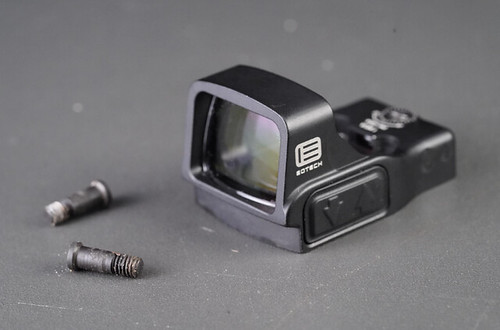
The EFLX combines a large viewing window with a top-loading battery system and modern controls. It offers a competitive alternative to more established pistol optics.
Specifications
- Footprint: DeltaPoint Pro
- Dot Sizes: 3 MOA, 6 MOA
- Battery: CR2032
- Top-loading battery
- Aluminum housing
Pros
- Large window
- Crisp dot
- Easy battery replacement
- Good glass quality
Cons
- Newer platform
- Less mounting support
- Larger footprint
My Hands-On Notes
The EFLX presents a very open sight picture that helps shooters reacquire the dot quickly. Controls feel positive and easy to manipulate while wearing gloves.
Lens coatings produce minimal tint. Window distortion is low. During recoil testing, the optic maintained consistent tracking and showed excellent resistance to zero shift.
Parallax behavior remains well controlled across the viewing area. The taller body design may require suppressor-height sights for an effective co-witness.
What People Say Online
Most users highlight the window size and battery access as major strengths. Feedback regarding clarity and ease of use has been overwhelmingly positive.
Mounting Clarity
The EFLX uses the DeltaPoint Pro footprint, so mounting hardware must match accordingly.
-----➤ Explore User Feedback and Current Pricing on Amazon
How I Tested / Evaluation Criteria
Parallax Performance
I evaluated each optic by deliberately moving my eye position throughout the viewing window while maintaining a fixed point of aim. The best optics minimized apparent dot movement and maintained predictable impact shifts. Modern premium optics generally perform very well, but differences still appear near the edge of the window.
Co-Witness and Deck Height
Because the Springfield Range Officer Elite requires aftermarket mounting solutions, deck height becomes critically important. Lower-mounted optics allow easier co-witnessing and a more natural presentation from the holster.
Durability
I prioritize recoil resistance, housing strength, lens retention, and long-term zero stability. A steel-frame 1911 generates a distinct recoil impulse that quickly exposes weak optic designs.
Battery System
Battery access affects real-world ownership. Top-loading and side-loading batteries reduce maintenance complexity and eliminate the need for re-zeroing after replacement.
Brightness Range
An optic must perform equally well under bright sunlight and low-light conditions. Adequate brightness settings help prevent bloom while maintaining visibility.
Glass Quality
Glass quality influences clarity, distortion, tint, and target recognition. I pay close attention to edge distortion, lens coatings, and perceived color shifts.
Controls and Ergonomics
Button placement, tactile feedback, and menu simplicity directly affect usability. Controls should remain accessible even while wearing gloves.
Mounting Ecosystem
A great optic becomes less attractive if mounting options are limited. Footprint availability, aftermarket support, and gunsmith familiarity all matter for the Range Officer Elite.
How to Choose the Right Red Dot for This Gun
Choosing the right optic for a Springfield Range Officer Elite begins with understanding how the optic will be mounted. Since the pistol lacks a factory optics-ready slide, most owners either install a dovetail mounting plate or have the slide professionally milled.
For maximum reliability, direct milling remains the superior solution. It lowers deck height, improves co-witness capability, and reduces the likelihood of mounting screws loosening under recoil. If you plan on carrying the pistol or using it extensively, investing in slide milling usually pays off.
Footprint selection is the next major consideration. The RMR footprint enjoys the broadest support in the handgun market. Optics such as the Trijicon RMR Type 2, Holosun 507C, and Trijicon SRO benefit from extensive compatibility with aftermarket mounting solutions.
Shooters prioritizing defensive use should strongly consider durability. The RMR Type 2 and ACRO P-2 remain leaders in hard-use applications. Their track records under severe recoil and harsh environmental conditions are difficult to match.
Competition shooters often benefit from larger windows. The Trijicon SRO and Leupold DeltaPoint Pro provide exceptionally generous sight pictures that simplify dot tracking during rapid fire.
Battery access is another important factor. Top-loading and side-loading systems reduce maintenance headaches and eliminate unnecessary re-zeroing.
Finally, consider whether an open-emitter or enclosed-emitter design better fits your needs. Open emitters are generally lighter and offer larger windows. Enclosed emitters provide superior protection against debris and environmental contamination.
For most Springfield Range Officer Elite owners, the Holosun 507C delivers the best balance of value, features, and mounting flexibility. Shooters seeking maximum durability should look toward the RMR Type 2 or ACRO P-2, while competitors will likely appreciate the speed advantages offered by the SRO.
FAQs
Can a Springfield Range Officer Elite accept a red dot without slide milling?
Yes. Dovetail mounting plates allow optic installation without permanent modification. However, direct milling generally provides a stronger and lower-profile setup.
What footprint is best for a Range Officer Elite?
The RMR footprint is typically the most practical because it offers the widest range of compatible optics and mounting solutions.
Do I need suppressor-height sights?
If you want a co-witness setup, suppressor-height sights are often necessary, especially with plate-mounted optics.
Are enclosed-emitter optics worth it?
For defensive use or harsh environments, enclosed emitters like the ACRO P-2 provide significant advantages by protecting the emitter from debris and moisture.
Which optic offers the largest viewing window?
Among the optics reviewed here, the Trijicon SRO provides the largest and most forgiving sight picture.
Conclusion
When selecting the Best Red Dot For Springfield Range Officer Elite, mounting compatibility should be the first consideration, followed closely by durability, window size, and footprint support. The Trijicon RMR Type 2 remains the most proven all-around choice, while the Holosun 507C offers exceptional value. Competition-focused shooters will appreciate the Trijicon SRO, and defensive users may prefer the enclosed protection of the Aimpoint ACRO P-2. With the proper mounting solution, any of these optics can transform the Range Officer Elite into a faster, more capable handgun platform.