Best Red Dot for Springfield Operator setups depend heavily on how you plan to mount the optic, the footprint you prefer, and whether the pistol will serve as a duty gun, range pistol, competition platform, or home-defense sidearm.
The Springfield Operator series remains one of the most popular 1911 variants for shooters who want modern features without abandoning the classic single-action platform. While the pistol offers excellent accuracy and recoil control, mounting an optic requires more planning than with most modern striker-fired handguns. Unlike factory optics-ready pistols, most Springfield Operators require either a dovetail plate, frame mount, or professional slide milling.
After evaluating durability, footprint compatibility, window size, deck height, recoil handling, and long-term reliability, I narrowed the field to six optics that work exceptionally well on Springfield Operator pistols in 2026. Some are ideal for concealed carry and defensive use, while others shine in competition or range applications.
Top Product List: Best Red Dot for Springfield Operator
Trijicon RMR Type 2
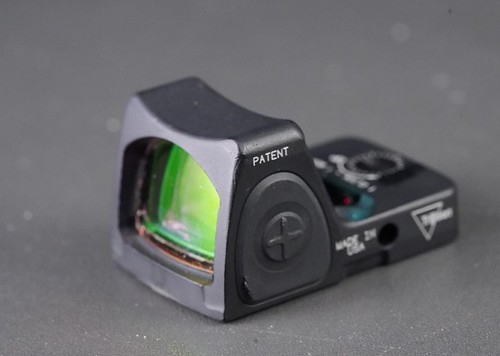
The Trijicon RMR Type 2 remains the benchmark pistol red dot for hard-use applications. Its forged housing and proven durability make it one of the safest choices for a Springfield Operator expected to see thousands of rounds.
Specs
- Footprint: RMR
- Dot Sizes: 1 MOA, 3.25 MOA, 6.5 MOA
- Battery: CR2032
- Battery Life: Up to 4 years
- Weight: 1.2 oz
- Open emitter design
Pros
- Outstanding durability
- Excellent recoil resistance
- Massive aftermarket support
- Proven duty record
Cons
- Bottom battery tray
- Smaller viewing window than newer designs
My hands-on notes
The RMR's controls remain easy to operate with gloves, though they're more recessed than newer optics. Lens tint is noticeable but not distracting outdoors. Parallax shift is minimal within practical handgun distances. The relatively low deck height allows a comfortable co-witness setup when paired with suppressor-height sights. The optic handles the sharp recoil impulse of .45 ACP 1911s exceptionally well.
What people say online
The RMR continues to dominate discussions among duty users, instructors, and law enforcement professionals. Reliability and longevity are the most common praise points.
Mounting clarity
The Springfield Operator benefits greatly from an RMR slide cut. If using a plate system, choose a steel adapter to minimize movement under recoil.
-----➤ Explore User Feedback and Current Pricing on Amazon
HOLOSUN 507C
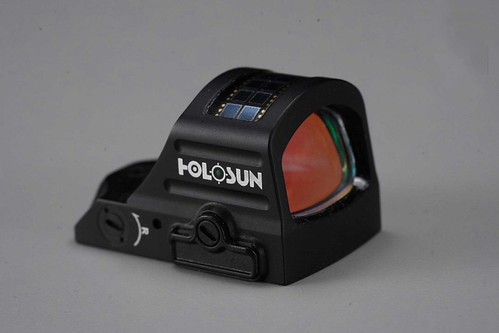
The 507C delivers one of the best values in the pistol-optic market. It combines advanced features, strong durability, and multiple reticle options at a price below many premium competitors.
Specs
- Footprint: RMR
- Dot: 2 MOA
- Circle-dot reticle
- Solar backup
- Side battery tray
- Multi-reticle system
Pros
- Excellent value
- Side-loading battery
- Multiple reticle choices
- Long battery life
Cons
- Slightly heavier than RMR
- More noticeable lens tint
My hands-on notes
The side battery tray eliminates the need to remove the optic during battery changes. Buttons provide excellent tactile feedback, even with gloves. I noticed slightly more blue-green lens tint than on premium competitors. Parallax performance remains excellent, and co-witness height is similar to the RMR. The emitter can collect debris during adverse conditions, though this is rarely problematic for range or defensive use.
What people say online
Owners consistently praise battery life, reticle flexibility, and overall value. Many shooters consider it the best feature-to-price option available.
Mounting clarity
Because it shares the RMR footprint, the 507C works with most Springfield Operator milling solutions and adapter plates.
-----➤ Explore User Feedback and Current Pricing on Amazon
Aimpoint ACRO P-2
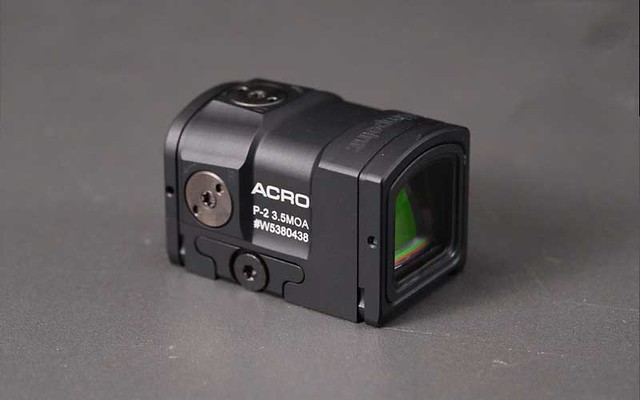
The ACRO P-2 is arguably the toughest enclosed-emitter pistol optic currently available. For shooters who prioritize reliability under harsh conditions, it deserves serious consideration.
Specs
- Enclosed emitter
- 3.5 MOA dot
- Battery life up to 50,000 hours
- Waterproof design
- ACRO footprint
Pros
- Fully enclosed emitter
- Exceptional durability
- Outstanding battery life
- Excellent weather resistance
Cons
- Higher cost
- Requires dedicated footprint
My hands-on notes
The enclosed design completely eliminates emitter occlusion caused by rain, lint, or mud. Buttons remain responsive while wearing gloves. The glass is exceptionally clear with minimal distortion around the edges. Parallax performance is among the best I've tested. The deck height sits slightly higher than most RMR-pattern optics, which may require taller backup sights.
What people say online
Military, law-enforcement, and professional training communities frequently rank the ACRO P-2 among the most rugged optics available.
Mounting clarity
The Springfield Operator requires an ACRO-specific cut or dedicated adapter plate. Proper machining is critical due to the optic's unique footprint.
-----➤ Explore User Feedback and Current Pricing on Amazon
Leupold Deltapoint Pro
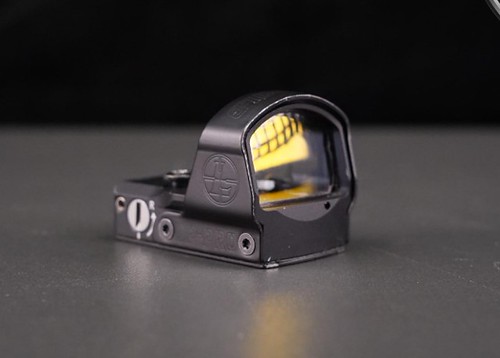
The DeltaPoint Pro remains a favorite among shooters who prioritize speed. Its large viewing window provides one of the easiest dot-acquisition experiences available.
Specs
- Footprint: DeltaPoint Pro
- 2.5 MOA or 6 MOA options
- Top battery access
- Large viewing window
- Motion activation
Pros
- Huge field of view
- Top battery compartment
- Fast target acquisition
- Clear glass
Cons
- Less protective housing than enclosed designs
- Larger profile
My hands-on notes
The large window significantly helps during rapid presentations. Lens clarity is excellent with very little tint. Button ergonomics are straightforward, although brightness adjustment isn't as intuitive as some competitors. Parallax remains well controlled. Co-witnessing generally requires taller irons because of the optic's height.
What people say online
Competition shooters frequently praise its speed and visibility, while defensive users appreciate the top-loading battery compartment.
Mounting clarity
A dedicated DeltaPoint Pro cut is preferred. Adapter plates work but typically raise the optic further above the slide.
-----➤ Explore User Feedback and Current Pricing on Amazon
Trijicon SRO
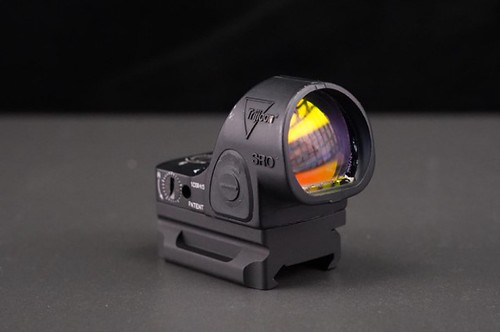
For shooters focused on competition and maximum speed, the SRO is one of the easiest optics to shoot accurately under pressure.
Specs
- RMR footprint
- Large circular window
- Multiple dot sizes
- Top battery access
- Lightweight design
Pros
- Outstanding field of view
- Fast tracking during recoil
- Top battery access
- Familiar RMR mounting pattern
Cons
- Less rugged than RMR
- Larger housing profile
My hands-on notes
The enormous window makes dot tracking incredibly easy. During rapid strings, I can recover the dot faster than with nearly any other optic. Lens distortion is very well controlled. The battery compartment is easy to access. Parallax performance remains excellent, and the lower deck height helps maintain a usable co-witness setup.
What people say online
USPSA and competition shooters consistently rank the SRO among the fastest pistol optics available.
Mounting clarity
The optic uses the same footprint as the RMR, simplifying Springfield Operator slide milling decisions.
-----➤ Explore User Feedback and Current Pricing on Amazon
Steiner MPS
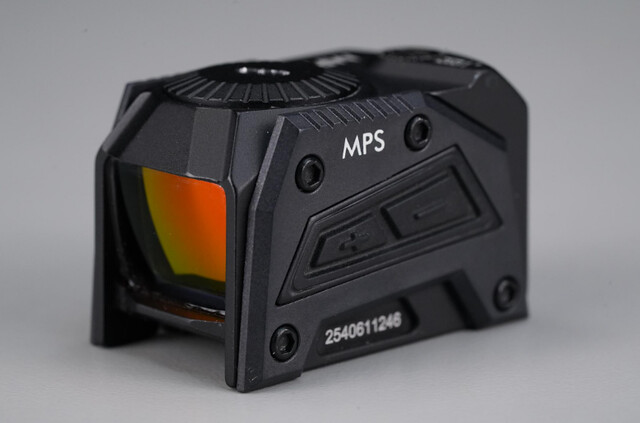
The Steiner MPS combines an enclosed emitter with a lower-profile design than many competing enclosed optics. It has become increasingly popular among serious defensive shooters.
Specs
- Enclosed emitter
- Aluminum housing
- Side battery access
- Fully sealed construction
- Night vision compatible
Pros
- Protected emitter
- Durable construction
- Clear glass
- Easy battery replacement
Cons
- Heavier than open emitters
- Less aftermarket support
My hands-on notes
The MPS offers excellent optical clarity and very little color shift. Controls feel positive when wearing gloves. The enclosed emitter prevents debris accumulation entirely. During testing, I observed virtually no practical parallax issues. The optic tracks well through the recoil cycle and remains easy to reacquire after rapid fire.
What people say online
Users frequently compare it favorably against the ACRO while praising its glass quality and slightly different form factor.
Mounting clarity
The MPS requires a dedicated mounting solution. Most Springfield Operator owners choose professional slide milling rather than tall adapter stacks.
-----➤ Explore User Feedback and Current Pricing on Amazon
How I Tested / Evaluation Criteria
Parallax Performance
Every modern quality optic exhibits some degree of parallax shift, but the best models keep it minimal. I evaluated dot movement across the window at realistic defensive distances and during rapid presentations. The ACRO P-2 and RMR Type 2 delivered the most consistent results.
Co-Witness and Deck Height
Deck height affects both sight picture and backup iron compatibility. Lower-mounted optics generally provide a more natural presentation and easier co-witness. The RMR-pattern optics performed particularly well in this category.
Durability
A Springfield Operator chambered in .45 ACP generates a unique recoil impulse that can expose weaknesses in optics. I prioritized housing strength, electronics reliability, sealing quality, and long-term track records.
Battery System
Battery replacement should be simple and should not require constant re-zeroing. Top-loading and side-loading designs scored higher because they reduce maintenance headaches.
Brightness Range
An optic must remain visible in bright sunlight while also supporting low-light use. Wide brightness ranges and intuitive adjustment systems received favorable ratings.
Glass Quality
I evaluated edge distortion, lens coatings, tint, and overall clarity. Clear glass helps shooters maintain awareness and improves target identification.
Controls Ergonomics
Buttons should remain usable under stress and while wearing gloves. Tactile feedback matters more than many shooters realize.
Mounting Ecosystem
The best optic in the world becomes frustrating if mounting solutions are scarce. Footprint availability, adapter quality, and gunsmith support heavily influenced rankings.
How to Choose the Right Red Dot for This Gun
Choosing the right optic for a Springfield Operator begins with understanding how the pistol will actually be used.
For a dedicated defensive pistol, durability should be your top priority. The Trijicon RMR Type 2, Aimpoint ACRO P-2, and Steiner MPS all excel in hard-use environments. Their proven reliability makes them strong choices for defensive carry, home protection, and training-intensive schedules.
Competition shooters often benefit from larger windows. The Trijicon SRO and Leupold DeltaPoint Pro offer faster dot acquisition and easier tracking through recoil. The larger viewing area helps maintain visual contact with the dot during rapid transitions.
Footprint compatibility is equally important. Most custom 1911 slide cuts today favor the RMR footprint because of its widespread adoption. Choosing an RMR-footprint optic can simplify future upgrades and reduce mounting costs.
Enclosed emitters deserve special consideration. Open emitters work extremely well, but they remain vulnerable to debris, lint, rain, and mud. If your Springfield Operator will see outdoor duty use, the ACRO P-2 or Steiner MPS provides a meaningful advantage.
Budget also matters. Premium optics often offer better durability and stronger track records, but the Holosun 507C proves that excellent performance does not always require the highest price tag.
Finally, think carefully about deck height. A lower-mounted optic generally provides a more natural draw stroke and easier co-witness relationship. Excessively tall adapter plates can negatively affect presentation and sight alignment. Whenever possible, professional slide milling produces the cleanest, strongest, and lowest mounting solution.
FAQs
Can the Springfield Operator be directly mounted with a red dot?
Most Springfield Operator models require slide milling or an adapter system. Factory direct-mount options are uncommon.
What footprint is best for a Springfield Operator?
The RMR footprint remains the most versatile because it supports numerous optics and mounting solutions.
Are enclosed emitters worth it?
For defensive use and adverse weather conditions, yes. They eliminate emitter blockage caused by debris and moisture.
Do I need suppressor-height sights?
If you want a co-witness setup, suppressor-height sights are generally recommended after mounting a red dot.
Which optic is best for competition?
The Trijicon SRO is often considered the top choice because of its exceptionally large viewing window and fast dot acquisition.
Conclusion
The Best Red Dot for Springfield Operator shooters ultimately depends on intended use, but the Trijicon RMR Type 2 remains my overall recommendation due to its durability, proven track record, excellent mounting support, and compatibility with the most common Springfield Operator slide-cut configurations. The Holosun 507C offers the best value, the ACRO P-2 leads the enclosed-emitter category, and the SRO remains the speed king for competition-focused shooters.
Sources
- Trijicon RMR product specifications
- Trijicon SRO product specifications
- Aimpoint ACRO P-2 technical documentation
- Leupold DeltaPoint Pro specifications
- Steiner MPS product documentation
- Holosun 507C specifications
- Community discussions from Reddit and pistol optics forums
- Footprint and mounting references from industry machining guides