Best Red Dot for SP5K PDW setups all have one thing in common: they must balance low mounting height, fast target acquisition, and reliable compatibility with the MP5-pattern platform. The HK SP5K PDW remains one of the most popular roller-delayed pistol-caliber firearms available, but choosing an optic isn't as straightforward as mounting a red dot on an AR-15. Rail height, cheek weld, co-witness potential, and optic footprint compatibility all matter significantly.
After spending time with multiple MP5 and SP5K configurations, I've found that compact enclosed emitters and lightweight micro red dots generally perform best. The goal is maintaining the firearm's iconic handling characteristics while adding a precise aiming solution that doesn't sit excessively high over the bore.
This guide covers six optics that stand out for durability, mounting flexibility, window quality, and overall performance on the SP5K PDW platform.
Top Product List: Best Red Dot for SP5K PDW
Aimpoint Micro T-2
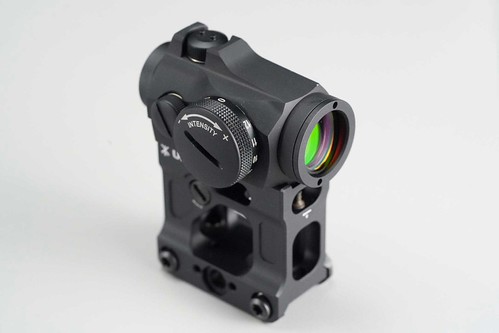
The Aimpoint Micro T-2 remains the benchmark MP5-pattern red dot. Its compact footprint, excellent battery life, and extensive mount compatibility make it exceptionally well suited for the SP5K PDW.
Specifications
- 2 MOA dot
- Closed emitter design
- 50,000-hour battery life
- Night vision compatible
- Micro footprint
- Submersible construction
Pros
- Extremely durable
- Minimal weight
- Excellent glass clarity
- Huge mount ecosystem
- Outstanding battery life
Cons
- Premium pricing
- Smaller window than modern enclosed optics
My Hands-On Notes
The T-2 keeps the SP5K remarkably balanced. Button tactility is positive even with gloves, and the brightness controls provide excellent feedback. Lens tint is minimal compared to many competitors, helping preserve natural color perception.
Parallax performance is among the best I've tested. While all red dots exhibit some shift at extreme angles, the T-2 minimizes practical deviation. With low-profile MP5 mounts from companies such as Scalarworks or Infitech, achieving an effective lower-third co-witness is possible depending on the setup.
Recoil impulse from thousands of rounds of 9mm doesn't phase this optic. I observed no loss of zero and no noticeable window distortion.
What People Say Online
Users consistently praise the T-2's reliability and battery longevity. Many MP5 enthusiasts consider it the gold standard due to its lightweight profile and proven service history.
Mounting Clarity
The T-2 uses the Aimpoint Micro footprint. Numerous SP5K claw mounts and low-profile rail solutions support this footprint directly.
-----➤ Explore User Feedback and Current Pricing on Amazon
Aimpoint Duty RDS
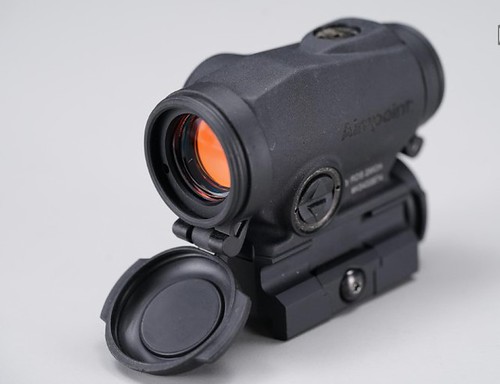
The Duty RDS delivers much of the Aimpoint durability advantage at a lower price point while maintaining compatibility with common Micro-pattern mounts.
Specifications
- 2 MOA dot
- Closed emitter
- 30,000+ hour battery life
- NV compatible
- Aluminum housing
- Micro-style mounting pattern
Pros
- Duty-grade construction
- Competitive price
- Excellent controls
- Reliable sealing
Cons
- Heavier than T-2
- Slightly bulkier housing
My Hands-On Notes
Brightness buttons are easy to manipulate while wearing gloves. The optic's housing feels robust and confidence inspiring. Lens coatings create a mild blue tint but remain unobtrusive during daylight shooting.
Parallax control is excellent throughout the usable window. I found transitions between multiple steel targets especially smooth. Co-witness capability depends heavily on mount selection, but low-profile MP5 mounts generally place the optic at a practical height.
The battery compartment design is simple and secure. During repeated range sessions, I experienced no flickering, no zero shift, and no emitter issues.
What People Say Online
The Duty RDS is frequently described as the best value among premium Aimpoint optics. Shooters appreciate getting proven durability without paying T-2 prices.
Mounting Clarity
Compatible with many Aimpoint Micro mounting solutions, making SP5K integration straightforward.
-----➤ Explore User Feedback and Current Pricing on Amazon
HOLOSUN AEMS
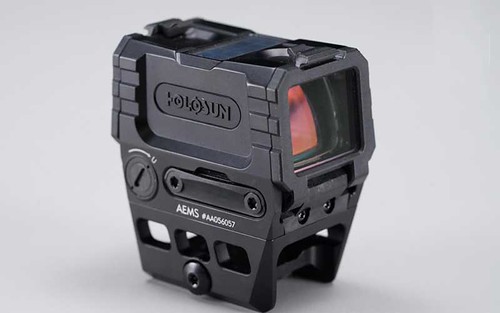
The AEMS combines a large viewing window with a compact footprint, making it attractive for shooters prioritizing speed.
Specifications
- Enclosed emitter
- Multiple reticle system
- Solar backup
- Shake-awake technology
- Long battery life
- Aluminum housing
Pros
- Large field of view
- Fast target acquisition
- Enclosed design
- Competitive pricing
Cons
- Larger profile than Micro dots
- Slightly more weight
My Hands-On Notes
The generous window noticeably improves situational awareness. Brightness buttons are easy to locate and offer excellent tactile feedback. Lens tint is more noticeable than the Aimpoints but remains manageable.
Parallax shift is minimal within realistic engagement distances. The larger viewing area helps maintain dot visibility during unconventional shooting positions. On an SP5K PDW, this optic feels particularly quick during transitions.
Emitter occlusion is eliminated thanks to the enclosed design. Window distortion near the edges is minor and unlikely to affect practical performance.
What People Say Online
Users frequently praise the AEMS for delivering premium features at a mid-range price. The large window receives especially positive feedback.
Mounting Clarity
Uses a dedicated mounting interface, but numerous low-profile solutions are available for MP5-style platforms.
-----➤ Explore User Feedback and Current Pricing on Amazon
HOLOSUN 509T
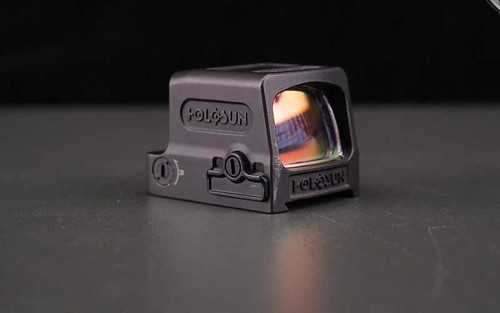
For shooters wanting maximum environmental protection, the 509T offers one of the toughest enclosed emitter systems available.
Specifications
- Titanium housing
- Closed emitter
- Multi-reticle system
- Side battery tray
- Solar fail-safe
- Long battery runtime
Pros
- Extremely durable
- Enclosed emitter
- Convenient battery access
- Excellent weather resistance
Cons
- Requires adapter mounting solutions
- Smaller window than AEMS
My Hands-On Notes
The titanium housing inspires confidence. The side-loading battery tray eliminates the need to remove the optic for battery replacement. Buttons remain responsive with gloves and offer clear tactile feedback.
Parallax characteristics are excellent for a compact enclosed optic. I particularly appreciate the optic's ability to remain clear when exposed to rain, dust, or debris that might obstruct an open emitter.
Window distortion is minimal, and the enclosed architecture prevents emitter blockage from mud or carbon buildup.
What People Say Online
Many shooters view the 509T as one of the toughest enclosed red dots currently available. Reliability and durability are common praise points.
Mounting Clarity
The 509T uses its own footprint. Most SP5K installations require an adapter plate mounted to a suitable rail or claw mount.
-----➤ Explore User Feedback and Current Pricing on Amazon
Trijicon MRO
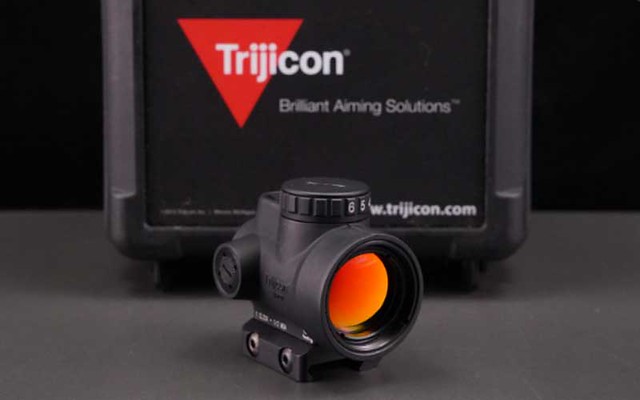
The Trijicon MRO remains a popular choice among PCC and MP5 owners because of its large objective lens and compact overall footprint.
Specifications
- 2 MOA dot
- Closed emitter
- Long battery life
- Waterproof construction
- Lightweight housing
- Ambidextrous controls
Pros
- Large viewing area
- Durable construction
- Excellent battery life
- Lightweight
Cons
- Slight magnification effect
- Mount height selection is critical
My Hands-On Notes
The MRO feels exceptionally fast on the SP5K PDW. Its larger objective helps maintain dot visibility while moving aggressively. The brightness dial is easy to manipulate, even with gloves.
Lens tint is noticeable but not excessive. Earlier concerns about parallax have been improved in modern production examples, though the optic still benefits from consistent head positioning.
Co-witness performance depends heavily on mount selection. Low-profile mounts are strongly recommended to preserve a natural cheek weld.
What People Say Online
The MRO enjoys strong support among PCC shooters who value speed and wide field of view over absolute compactness.
Mounting Clarity
Uses the MRO footprint, supported by numerous MP5-compatible rail mounting systems.
-----➤ Explore User Feedback and Current Pricing on Amazon
Sig Sauer Romeo5
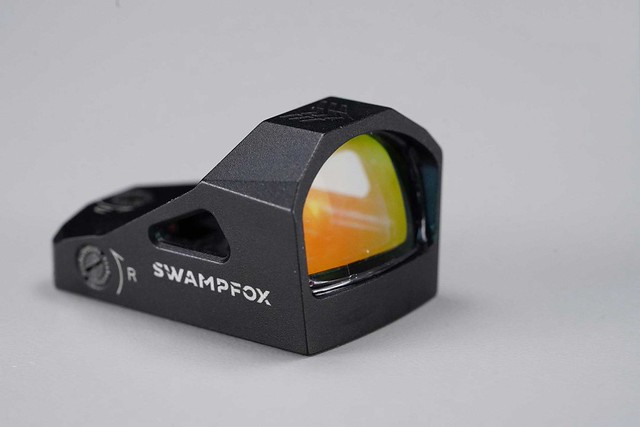
The Romeo5 continues to offer one of the strongest value propositions for SP5K owners seeking dependable performance without premium pricing.
Specifications
- 2 MOA dot
- MOTAC motion activation
- Waterproof construction
- Multiple brightness levels
- Lightweight housing
- Long battery life
Pros
- Affordable
- Reliable performance
- Motion activation
- Good battery life
Cons
- Not as rugged as premium options
- Glass quality trails top-tier optics
My Hands-On Notes
The Romeo5 punches above its price category. Controls are straightforward, and button response remains positive with gloves. Lens coatings introduce a slight blue tint but maintain adequate clarity.
Parallax performance is respectable for the price point. During rapid-fire drills, the optic tracked reliably without noticeable zero movement. The battery compartment is simple and secure.
Co-witness potential is excellent when paired with the appropriate low-profile MP5 mount. Recoil impulse handling proved entirely adequate for extended 9mm use.
What People Say Online
Budget-conscious shooters routinely recommend the Romeo5 because it delivers dependable performance at a fraction of premium optic pricing.
Mounting Clarity
The optic uses the widely supported Aimpoint Micro mounting standard, providing excellent compatibility with SP5K mounting solutions.
-----➤ Explore User Feedback and Current Pricing on Amazon
How I Tested / Evaluation Criteria
Parallax Performance
Parallax matters more on PCC platforms than many shooters realize. I evaluated each optic by intentionally moving my eye position throughout the window while maintaining a fixed aiming point. Optics with reduced apparent shift earned higher rankings because they provide greater forgiveness during rapid movement.
Co-Witness and Deck Height
The SP5K PDW can become awkward if an optic sits too high. I prioritized configurations that preserved a comfortable cheek weld while maintaining practical sight alignment. Lower deck heights generally resulted in faster target acquisition.
Durability
Every optic was assessed according to housing strength, sealing quality, recoil resistance, and long-term reliability history. Roller-delayed recoil is not severe, but sustained use quickly exposes weak designs.
Battery System
Battery longevity is crucial for defensive and recreational firearms. I favored optics with multi-year runtime, efficient electronics, and battery compartments that simplify replacement.
Brightness Range
An optic must remain visible in bright sunlight while also offering low-light capability. Wide brightness ranges improve flexibility and overall usability.
Glass Quality
Glass clarity influences both speed and comfort. I examined lens tint, edge distortion, coating quality, and overall image fidelity across various lighting conditions.
Controls and Ergonomics
Buttons and brightness controls should remain accessible while wearing gloves. Positive tactile feedback helps prevent accidental adjustments and improves field usability.
Mounting Ecosystem
A great optic becomes frustrating if mounting options are limited. I gave preference to optics supported by proven MP5 and SP5K mounting solutions.
How to Choose the Right Red Dot for This Gun
Choosing the right optic for the SP5K PDW starts with understanding the platform's unique geometry. Unlike AR-pattern firearms, the SP5K benefits significantly from lower optic placement. Excessive height over bore can create an uncomfortable shooting position and reduce the advantages of the compact platform.
The first consideration is footprint compatibility. Aimpoint Micro-pattern optics offer the broadest support among MP5-specific mounts. This makes models such as the T-2, Duty RDS, and Romeo5 particularly attractive because installation is straightforward and mounting choices are abundant.
Next, consider emitter style. Open emitters are lighter and often less expensive, but enclosed emitters provide superior protection against rain, dust, carbon, and debris. For a defensive firearm, enclosed optics such as the AEMS and 509T offer meaningful advantages.
Window size also affects performance. Larger windows help maintain dot visibility during unconventional shooting positions and rapid transitions. However, larger optics can alter the sleek handling characteristics that make the SP5K appealing in the first place.
Battery management deserves attention as well. Modern optics with multi-year runtime reduce maintenance requirements and increase confidence. Motion activation systems further extend battery longevity while ensuring readiness.
Durability should match intended use. Recreational shooters may find the Romeo5 entirely sufficient, while those prioritizing maximum reliability often gravitate toward Aimpoint products. The difference is less about basic function and more about long-term resilience under harsh conditions.
Finally, mount selection is every bit as important as optic selection. A premium optic mounted too high can perform worse than a modest optic mounted correctly. Prioritize low-profile MP5-specific solutions that preserve a natural cheek weld and allow the fastest sight acquisition.
FAQs
What is the ideal optic height for an SP5K PDW?
Generally, the lowest practical mounting height provides the best cheek weld and fastest presentation. Most shooters benefit from low-profile MP5-specific mounts.
Are enclosed emitter optics worth it on an SP5K?
Yes. Enclosed emitters prevent debris, rain, and fouling from obstructing the emitter, increasing reliability in adverse conditions.
Can the SP5K PDW co-witness with a red dot?
Some combinations of optic and mount can achieve a lower-third or partial co-witness. Results vary depending on rail and mount selection.
Is the Aimpoint T-2 still worth the premium price?
For shooters seeking maximum durability, battery life, and proven reliability, the T-2 remains one of the strongest choices available.
What footprint offers the best compatibility?
The Aimpoint Micro footprint provides the largest mounting ecosystem for MP5 and SP5K platforms.
Conclusion
For shooters searching for the Best Red Dot for SP5K PDW, the Aimpoint Micro T-2 remains the overall winner due to its exceptional durability, lightweight design, excellent parallax performance, and unmatched mounting support. The Duty RDS offers tremendous value in the premium category, while the Holosun AEMS provides a larger viewing window for fast shooting. The 509T excels in harsh environments, the MRO remains a favorite among PCC enthusiasts, and the Romeo5 continues to dominate the budget segment. Selecting the right optic ultimately comes down to balancing mounting height, durability requirements, and budget while preserving the handling characteristics that make the SP5K PDW such an outstanding platform.
Sources
- Aimpoint product specifications and mounting documentation.
- Holosun technical specifications and user manuals.
- Trijicon MRO technical data.
- HK MP5/SP5 platform mounting references from common claw-mount manufacturers.
- Community discussions from MP5-focused forums and Reddit PCC communities.