Best Red Dot for Smith & Wesson SD9 2.0 is a topic that has become increasingly relevant as more SD9 2.0 owners look to modernize their pistols with faster target acquisition and improved accuracy. The challenge is that the Smith & Wesson SD9 2.0 is not optics-ready from the factory, which means mounting considerations are just as important as the optic itself.
After evaluating durability, footprint compatibility, window quality, battery life, recoil performance, and aftermarket mounting options, I found that some optics stand out significantly for this platform. Since the SD9 2.0 typically requires a dovetail adapter plate or slide milling, choosing an optic with a proven mounting ecosystem can save both money and frustration.
This guide focuses on red dots that balance reliability, value, and compatibility while remaining practical for defensive carry, range use, and home protection.
Top Product List: Best Red Dot for Smith & Wesson SD9 2.0
- Holosun 407C
- Holosun 507C
- Trijicon RMR Type 2
- Leupold DeltaPoint Pro
- Vortex Defender CCW
- Steiner MPS
Holosun 407C
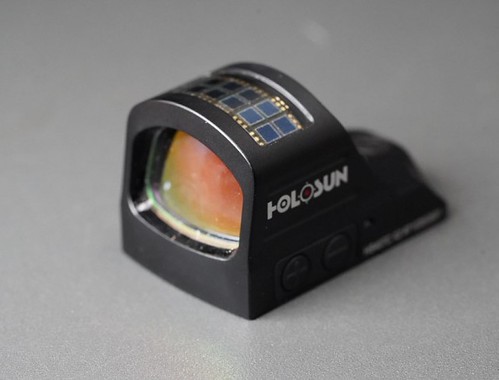
The Holosun 407C remains one of the easiest optics to recommend for SD9 2.0 owners because it delivers premium-level performance without premium-level pricing.
Specifications
- 2 MOA dot
- 7075 aluminum housing
- Solar FailSafe technology
- Side-loading CR1632 battery
- RMR footprint
- Up to 50,000-hour battery life
Pros
- Excellent value
- Durable housing
- Easy battery replacement
- Crisp dot presentation
- Huge aftermarket support
Cons
- Slight green-blue lens tint
- Open emitter design
My Hands-On Notes
The 407C tracks recoil exceptionally well. During rapid strings, the dot remained easy to recover thanks to the generous window size. Parallax shift is minimal at realistic handgun distances and never became noticeable during practical shooting drills.
The deck height works well with suppressor-height sights when mounted on a milled slide. With dovetail adapter plates, co-witnessing depends heavily on the plate thickness.
Button tactility is positive even while wearing gloves, and the side battery tray eliminates the need to rezero after battery changes.
What People Say Online
Owners consistently praise its reliability, battery life, and affordability. Many shooters consider it the benchmark value optic in the pistol red-dot market.
Mounting Clarity
The 407C uses the RMR footprint. For the SD9 2.0, a dovetail mount or custom slide milling is required.
-----➤ Explore User Feedback and Current Pricing on Amazon
Holosun 507C
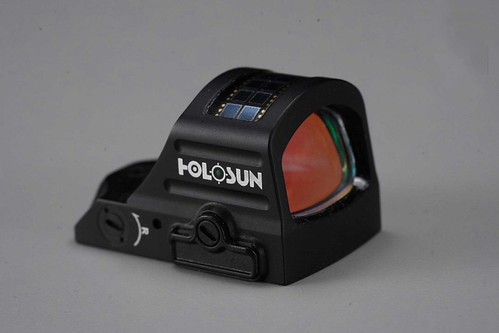
The 507C expands on the strengths of the 407C by adding Holosun's Multi-Reticle System, making it one of the most versatile optics available.
Specifications
- 2 MOA dot
- 32 MOA circle
- Multi-reticle system
- Side battery tray
- RMR footprint
- 7075 aluminum construction
Pros
- Multiple reticle options
- Strong battery life
- Excellent glass quality
- Durable housing
- Proven track record
Cons
- More expensive than the 407C
- Slight emitter reflection in some lighting
My Hands-On Notes
The circle-dot reticle significantly speeds up acquisition during defensive drills. The window exhibits minimal distortion near the edges, and I found the reticle exceptionally crisp.
Parallax performance is excellent. The sight picture remains stable throughout recoil, and co-witness capability mirrors the 407C due to the shared footprint.
The brightness controls offer strong tactile feedback and are easy to manipulate under stress.
What People Say Online
Many experienced shooters view the 507C as the sweet spot between cost and capability. Competitive shooters particularly appreciate the circle-dot configuration.
Mounting Clarity
Like the 407C, the 507C uses the RMR footprint and can be mounted through slide milling or quality dovetail adapter systems.
-----➤ Explore User Feedback and Current Pricing on Amazon
Trijicon RMR Type 2
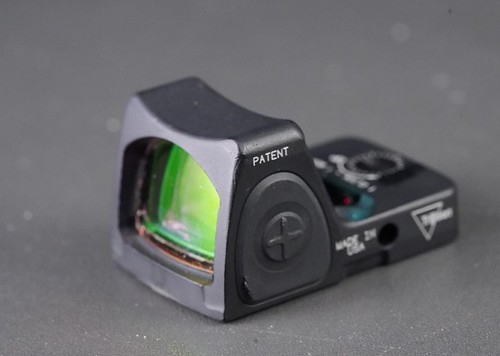
The Trijicon RMR Type 2 remains the durability benchmark for pistol-mounted red dots.
Specifications
- 3.25 MOA or 6.5 MOA dot
- Forged aluminum housing
- RMR footprint
- Waterproof construction
- Automatic and manual brightness options
Pros
- Legendary durability
- Excellent recoil resistance
- Massive aftermarket support
- Trusted by professionals
Cons
- Bottom-loading battery
- Premium pricing
My Hands-On Notes
Few optics handle slide velocity like the RMR Type 2. The housing design effectively redirects impact energy, which helps explain its reputation for surviving hard use.
Parallax is extremely well controlled, and the dot remains stable under rapid fire. The lens tint is more noticeable than some competitors, but it never hindered target identification.
Button response is excellent, and the optic maintains zero exceptionally well.
What People Say Online
Law enforcement officers, concealed carriers, and military users continue to trust the RMR because of its unmatched reliability record.
Mounting Clarity
The RMR footprint has become the industry standard. SD9 2.0 owners will find abundant adapter plate and milling options.
-----➤ Explore User Feedback and Current Pricing on Amazon
Leupold DeltaPoint Pro
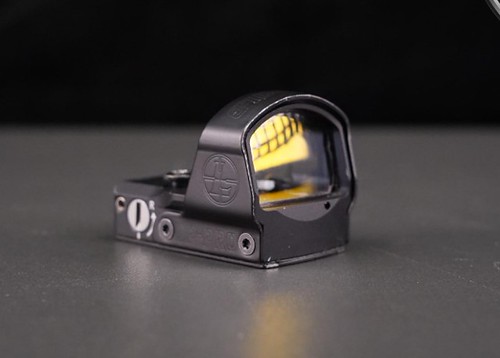
Shooters who prioritize window size often gravitate toward the DeltaPoint Pro.
Specifications
- Large viewing window
- Top-loading battery
- Motion sensor technology
- Aluminum housing
- DeltaPoint Pro footprint
Pros
- Huge field of view
- Excellent glass clarity
- Easy battery access
- Fast target acquisition
Cons
- Larger overall profile
- Fewer mounting options than RMR
My Hands-On Notes
The large window noticeably reduces the learning curve for newer red-dot shooters. Tracking the dot through recoil feels easier than with many smaller optics.
Lens clarity is excellent with very little tint. Parallax remains well controlled, and edge distortion is minimal.
The battery compartment design is among the best available because battery swaps do not disturb zero.
What People Say Online
Many users highlight the optic's spacious sight picture and premium optical quality.
Mounting Clarity
The DeltaPoint Pro footprint differs from the RMR standard, so SD9 2.0 owners must select a compatible adapter or milling pattern.
-----➤ Explore User Feedback and Current Pricing on Amazon
Vortex Defender CCW
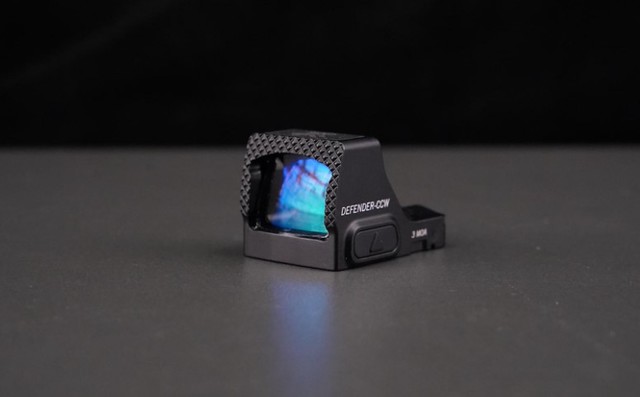
The Defender CCW is one of the strongest newer contenders in the concealed-carry optics market.
Specifications
- ShockShield polymer insert
- Large viewing window
- Top-load battery
- Waterproof construction
- RMSc footprint
Pros
- Excellent warranty
- Lightweight design
- Clear glass
- User-friendly controls
Cons
- Smaller ecosystem than RMR optics
- Open emitter
My Hands-On Notes
The Defender CCW impressed me with its ability to absorb recoil while maintaining a consistent zero. Window distortion is minimal, and the dot remains easy to track during rapid shooting.
The brightness buttons offer crisp engagement even with gloves. Battery access is straightforward, and the optic feels purpose-built for everyday carry.
Parallax performance remains competitive with other premium carry optics.
What People Say Online
Users frequently praise Vortex customer support and the optic's value proposition.
Mounting Clarity
The RMSc footprint may require specific adapter plates when mounting on an SD9 2.0 platform.
-----➤ Explore User Feedback and Current Pricing on Amazon
Steiner MPS
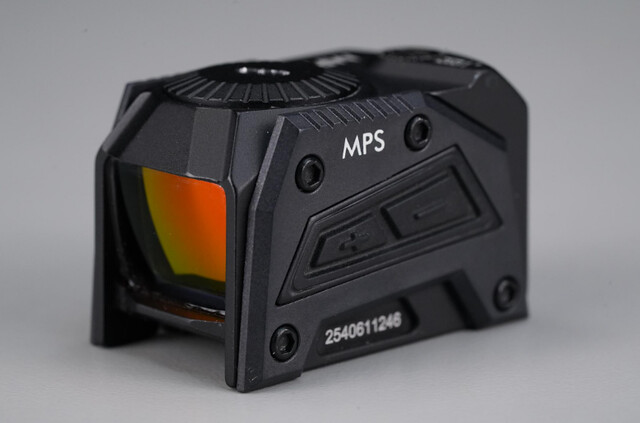
The Steiner MPS is my preferred enclosed-emitter option for shooters who prioritize reliability in adverse conditions.
Specifications
- Enclosed emitter
- Aluminum housing
- ACRO-style footprint
- Side battery compartment
- Duty-grade construction
Pros
- Weather-resistant design
- Protected emitter
- Strong glass quality
- Excellent durability
Cons
- Heavier than open-emitter optics
- Higher cost
My Hands-On Notes
The enclosed design completely eliminates emitter occlusion caused by lint, rain, or debris. This is a major advantage for a defensive pistol.
Recoil handling is outstanding, and the optic retains a stable sight picture throughout rapid-fire drills. The glass is surprisingly clear, and the window feels larger than its dimensions suggest.
Parallax performance is excellent, while side battery access simplifies maintenance.
What People Say Online
Users consistently praise the MPS for ruggedness and enclosed-emitter reliability, often comparing it favorably to the Aimpoint ACRO series.
Mounting Clarity
The MPS uses an ACRO-style footprint, requiring a dedicated adapter solution on the SD9 2.0.
-----➤ Explore User Feedback and Current Pricing on Amazon
How I Tested / Evaluation Criteria
Parallax Performance
No pistol red dot is entirely parallax-free, but the best optics minimize point-of-impact shifts at realistic handgun distances. I evaluated each optic by intentionally moving my eye position throughout the viewing window while maintaining target focus.
Co-Witness and Deck Height
The SD9 2.0 often relies on adapter plates, which can increase optic height. I examined how easily each optic integrates with suppressor-height iron sights and whether practical co-witness configurations remain achievable.
Durability
A slide-mounted optic experiences substantial acceleration and deceleration forces. I prioritized models with proven recoil ratings, durable housings, and established track records on reciprocating handgun slides.
Battery System
Battery access directly impacts convenience. Side-loading and top-loading designs generally receive higher marks because they avoid unnecessary rezeroing after battery replacement.
Brightness Range
Brightness settings must accommodate bright sunlight while still offering low-light usability. Models with intuitive controls and broad adjustment ranges scored highest.
Glass Quality
I assessed tint, distortion, reflection, and overall clarity. Premium optics generally exhibit better edge-to-edge performance and reduced visual artifacts.
Controls Ergonomics
Button size, tactile feedback, and accessibility under stress matter significantly. Controls should remain easy to operate with gloves and during rapid manipulations.
Mounting Ecosystem
A red dot is only as useful as the mounting system supporting it. Footprint availability, aftermarket plate support, and milling compatibility played major roles in my rankings.
How to Choose the Right Red Dot for This Gun
Choosing the right optic for the SD9 2.0 starts with understanding the pistol itself. Unlike many newer handguns, the SD9 2.0 is not factory-cut for optics, so mounting considerations become the first priority.
For most owners, an RMR-footprint optic offers the greatest flexibility. Products such as the Holosun 407C, Holosun 507C, and Trijicon RMR Type 2 benefit from the largest adapter and milling ecosystem available today. If future upgrades are planned, staying within the RMR ecosystem usually makes sense.
Budget-conscious shooters should strongly consider the Holosun 407C. It delivers nearly all the practical performance most shooters need while remaining affordable.
Those wanting enhanced reticle flexibility should look toward the Holosun 507C. The circle-dot configuration can noticeably accelerate sight acquisition during defensive shooting.
For maximum durability, the Trijicon RMR Type 2 continues to set the standard. Although more expensive, its reputation for surviving harsh use is well deserved.
Shooters prioritizing visibility may prefer the DeltaPoint Pro because of its expansive window. New red-dot users often find it easier to learn with larger viewing areas.
If daily carry is the primary role, the Vortex Defender CCW provides a lightweight and practical solution backed by one of the strongest warranties in the industry.
For extreme environments, enclosed-emitter optics such as the Steiner MPS offer meaningful advantages. Rain, dirt, lint, and debris cannot obstruct the emitter, which improves reliability under adverse conditions.
Ultimately, the best choice depends on intended use. Defensive carry favors durability and reliability. Competition often rewards larger windows and faster reticles. General range use may prioritize value and ease of installation. Matching the optic to the mission will always produce better results than simply purchasing the most expensive model.
FAQs
Can the Smith & Wesson SD9 2.0 accept a red dot from the factory?
No. The SD9 2.0 is not factory optics-ready and requires either slide milling or a dovetail adapter plate.
Is slide milling better than a dovetail mount?
Yes. Slide milling provides a lower mounting position, improved durability, and better co-witness potential.
What footprint is easiest to support on the SD9 2.0?
The RMR footprint generally offers the widest selection of optics and mounting solutions.
Are enclosed-emitter optics worth it?
For defensive carry and harsh environments, enclosed-emitter optics provide superior protection against debris and weather.
What dot size should I choose?
A 3-6 MOA dot works well for most defensive applications, while smaller dots can offer greater precision at longer distances.
Conclusion
For most shooters, the Best Red Dot for Smith & Wesson SD9 2.0 is the Holosun 507C because it balances durability, reticle versatility, battery life, and mounting support better than almost any competitor. The Holosun 407C remains the value leader, the Trijicon RMR Type 2 dominates durability testing, and the Steiner MPS is the standout enclosed-emitter option. Regardless of which optic you choose, proper mounting and footprint compatibility should be your first priority when upgrading the SD9 2.0.